Switchgrass
Origin and botanical characteristics
The switchgrass or switchgrass (panicum virgatum) is a wild cereal used to be very prevalent in the United States (North America)
Cis theone of the many panics of the Grass family, and more specifically of the Poaceae. Its kind of herbaceous, annual and perennial is present on thenorthern hemisphere of the globe.
Cis theone of the grass that dominated the great prairie tall grass of the Midwest where she accompanied, on large areas, ofother grasses zones.
These herbs were eaten by dhuge roaming herds of bison in north america. You can still find in tufts spontaneous in the relics of the wild meadow.
The English have given him many names, vernacular: Tall panic grass, Wobsqua grass, Lowland switchgrass, Blackbent, Tall prairiegrass, Wild redtop, Thatchgrass, Redgrass or Switchgrass.
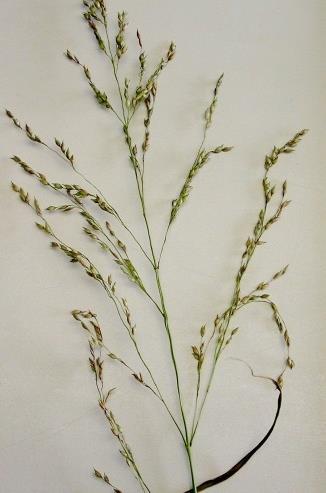
The botanical characteristics of switchgrass (switchgrass)
- Kingdom : Plantae, Grass
- Family : Poaceae
- Genus : Panicum
- Species : Panicum virgatum L., Switchgrass panicum virgatum switchgrass
- Origin : North America.Plant livingness rhizomatous non-creeping (non-invasive)
- photosynthetic Metabolism : C4 (such as sugar cane or corn)
Technical characteristics

Description of the elements of the conduct of the culture in its environment
Adaptation to the environment : Any type of floor
- does not require the level of pH (5.5 to 7.5)
- Good drought tolerance Switchgrass (panicum virgatum)
Conduct of cultivation : Sowing : may – August
- sowing Depth : as with any forage maximum of X10 the size of the seed. Example for a seed 1mm ofthickness 10mm deep.
- Germination temperature T°C>14°C in the soil (Note: Sunflower T°C>C to 8°C)
- Density : 10 to 15 kg/ha (goal 10 – 20 feet/m2)
- sowing Equipment : grain Drill disc of preference.
- Fertilization in the target crop biomass
- N : 50 U./ha ofnitrogen. An excess would be paid.
- PK : 70 U./ha yields of 10 to 15t./ha.
/!\ ATTENTION : Depending on the final destination of the product for heating any fertilizer will increase the rate of ash.
The switchgrass is a perennial crop.
The seed is sown once and the plant soperates for several years. The life span ofat least 25 to 30 years.
This plant is hardy and requires little maintenance.
The only step not to be overlooked is the weeding in the first two years.
The Switchgrass takes 2 to 3 years to express its potential.
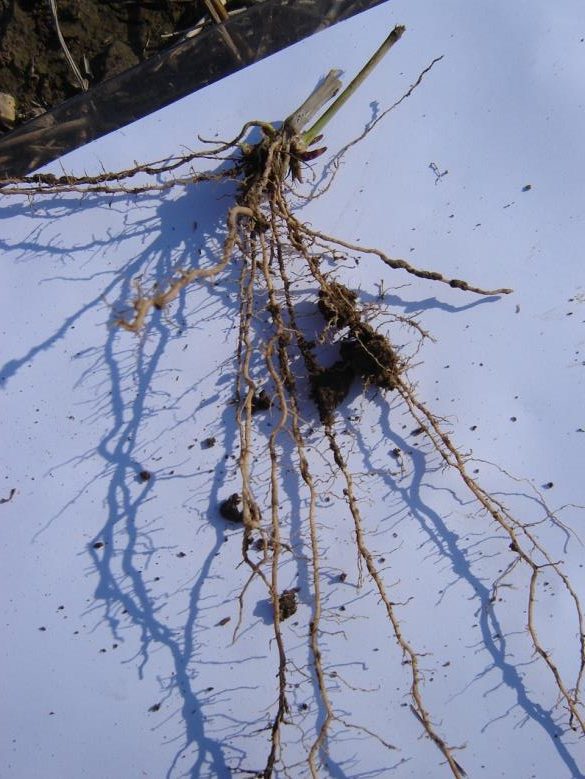
The first and the second year the plant installs its root system. This allows for the following do not flex during drier periods. Theyear of sowing the subjects grow from 30 to 80 cm high. It is not recommended to move the grinder in the switchgrass in the first year, in order to limit the shoot ofweeds.
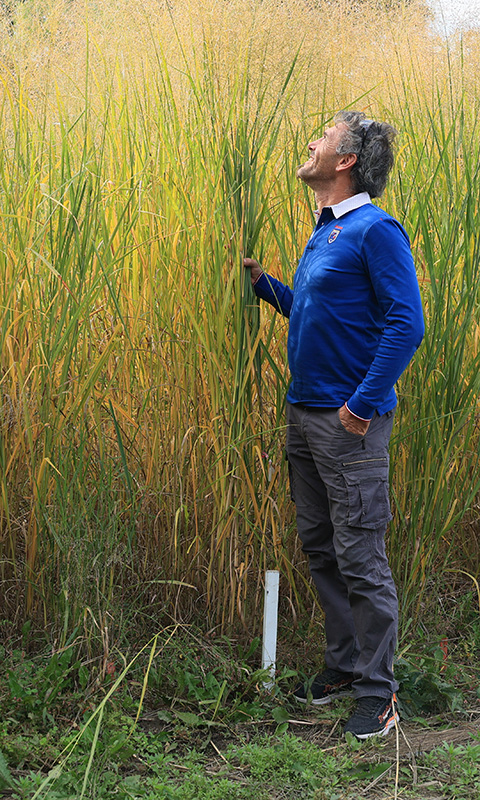
At cruising speed, the culture grows to a height of 1 to 2.5 meters high depending on the characteristics of variety, soil and climate.
The dry matter yields vary between 5 and 15 ton/ MS/ Hectare following these same characteristics.

The switchgrass is very sensitive to water stress and is suitable for all types of land.
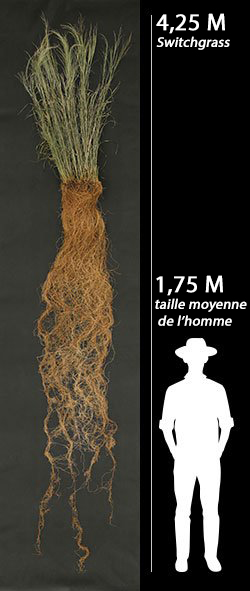
With a root system very rustic, small land he did not have any problem of development. We find its roots between 3 and 5 meters deep.
For drainage, the structure of the roots are rhizomatous decent depth without creating the hairy root annoying as do the powerful roots of the roots of oilseed rape.
No disease does not endanger the potential of this culture todaytoday if that nis a few isolated cases of rust.
Maturity is an important element to take into account according to the geographical area of cultivation and the final destination of the product.
The levels of production as a function of the stage of maturity.
In areas of trends in a cold, it is preferable varieties cycle of maturity short, whereas in regions with greater warmed or in the soil is warming more quickly, varieties with longer cycle.
The varieties

of the Atlantic, the variety Cave-in-Rock, type upland, was for many years used for the development of new varieties.
Todaytoday it remains behind to make room for new references, more hardy and productive. The RC BigRock, RC Sundance or RC Chippewa, are lines of performance.
2 types are characterized to choose the right variety
/!\ ATTENTION : All plants, but especially the switchgrass, have a dormancy period. It is to be taken into consideration in the calculation of the dose of sowing. Naturally, the switchgrass has a rate of dormancy very high, cis for this reason that the selection of seeds is very important.
• Type ” Upland “ :
Potential strong improvement with the selection. Theorigin suited to small land, with good tolerance of drought, not sensitive to frost.
The upland are worked for more than 20 years to get out of new varieties. They are todaytoday, highly efficient and very rustic in all types of soils .
Theincrease in the PMG to reduced dormancy and promotes the speed of lifting. This allows you to counter the weeds the first year of.
disease resistance is markedly enhanced with the selection process.
• Type ” Lowland “ :
rapid Growth, adapted to heavy soils and moist, but very sensitive to frost.
varieties lowlands are native to the southern United States and regions of the subtropics. They prefer warm environments and the floodplains. They are used less and less because ofa PMG very low and their rate of dormancy very high. Their sensitivity to freezing is to be taken into account depending on the region ofinstallation.
← Recovery of vegetation in year 3, gel toe in a variety Kanlow (lowland) in the region of Champagne-Ardenne.
| The different varieties by types | ||||
|
Lowland | Upland | |||
|
Alamo, Kanlow BoMaster Performer |
| |||

The selection of our seeds.
The basin of production of our varieties is on the same latitude as the start of production, in order toensure and dto optimize success.
Variety of flora, biomass or forage
Select the good variety of switchgrass (switchgrass) depending on your region
Our current offer of seeds of switchgrass is prepared by the centers of the seed.
The selection criteria of these varieties are the efficiency, productivity and hardiness. In a second time, theadaptability of the seed in the middle and the values fodder interassantes.
These varieties work well in litters alternatives, forage, wildlife habitat, control oferosion and production of biomass energy.
Area dadaptabilitée
After several years oftrials, all of the varieties are adapted to the soil and climate of France with specificities for variety. Characteristic of lowland attention to the gel.
• • Dacotah -ND Ecotype
– maturity happens about 20-30 days earlier than Forestburg , and 40-50 days earlier than Blackwell, Summer, Cave-In-Rock, Pathfinder, and Nebraska 28; Its growth, a bit shorter in height compared to the varieties of the warmer regions; this variety has a tolerance of drought important.
• • Forestburg -SD Ecotype
– very good hardiness, persistence, the capacity of production of seed, and a maturity earlier than the other. The production of forage in the northern latitudes is higher than that of Dacotah , and greater than or equal to Nebraska 28 similar to Sunburst in the performance andadaptation.
• • Sunburst -Midwest Ecotype
– PMG 1.9 g – good vigor of the seedlings. Production of biomass and yield important.
• • Nebraska 28 -NO Ecotype
– strain relatively early , medium plant, semi-pendulous, with thin stems of moderate height, bluish-green and lush, well adapted to the varied soils; used successfully for conservation of soil and pasture.
• • RC BIGROCK -CA Ecotype
– PMG 2g – Late – very sturdy boot, tall thin stems , erect, suited to be a feed or shelter; the production of biomass is good. Good resistance to theexcess ofhumidity and very well adapted to the deep soil. Has a tendency to be paid to the passage of thewinter in solo. Mixture advised with RC Chippewa.
• • RC CHIPPEWA -CA Ecotype
– PMG 2.3 g – high stalks rigid thick, sprouting very fast (8-10jrs), the more upright varieties; holds well productivity with little precipitation, adapted to the wildlife; very good resistance to lodging; very good biomass yield, superior to other varieties. Adaptability to all types of soil.
• • RC SUNDANCE -CA Ecotype
– PMG 2.3 g – Very early – high stems rigid, semi-erect; very strong at the start, is quite close to the productivity in the field, drying out, or stony, adapted to the wildlife to build a shelter; very good production from biomass. Good resistance to dry periods. Low dormancy of seeds
• • RC TECUMSEH -CA Ecotype
– PMG 1.2 g – Early – spring Growth vigorous, excellent resistance to thewinter, very drought resistant, very upright, good resistant to lodging. Low seed dormancy, very good germination during dry years and very good vigor of the seedlings. It is preferable touse in combination with RC Sundance on soil, poorly draining soil.
• • Shelter -WV Ecotype
– thicker stems and a few leaves; holds well during thewinter, adapted to the wildlife to build a shelter; the production of biomass is less than dother varieties.
• • Cave-In-Rock -IL Ecotype
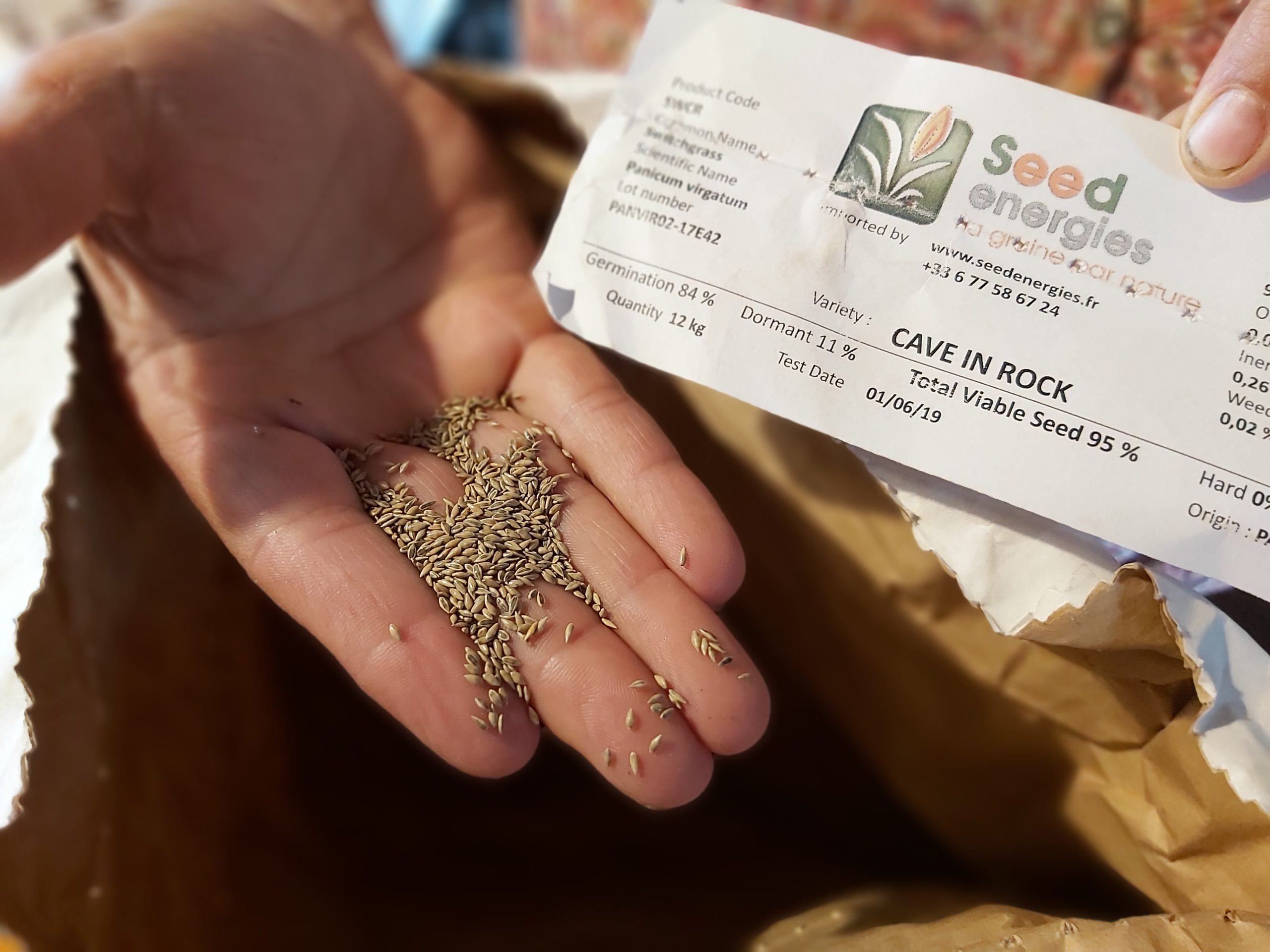
– PMG 1.7 g – plant hardy, resistant to lodging, tolerant to flooding; adapted to the soil hydromorphe (intermediate); slow germination (17-30jrs) prefers a soil with good fertility, but is also well adapted to the soil surface. Cis the most popular variety.
• • Blackwell -OK Ecotype
– average height, with stems large enough; ranked in forage varieties to be more productive; resistance to rust andother diseases; works well on poor soil, suitable for wet areas in the North-East; and the potential of the biomass increased in the centre-west regions.
• • Shawnee -IT Ecotype
– PMG 1.7 g – a variety of crop due to improved chosen in Cave-In-Rock, good biomass production and excellent quality of the forage.
• • Carthage -NC Ecotype
– PMG 1.5 g – great growth of foliage; strong force to the seedlings for a good recovery at the beginning of the spring; biomass yield increased with a high nutritional value.
• • Kanlow -OK Ecotype
– PMG 0.85 g – large, large, variety, productive, specially adapted to land hot and humid, high water table, orother issues ofexcess water occur; works well in light soils where soils are not too thin, nor too arid.
• • BoMaster -NC Ecotype
– good potential as a forage or crop biomass; adapted to warm regions; the tests indicate a higher yield of biomass that Cave-In-Rock and Alamo.
• • Performer -NC Ecotype
– high nutritional value, which leads to dexcellent forage; dry-matter yields comparable to Cave-In-Rock and Alamo ; especially adapted to the regions of the south.
• • Alamo -TX Ecotype
– longer, wider leaves, and a quantity of forage produced greater than Blackwell; adapted to the regions of the south; a successful performance; flowers in thefall, one and two months later as Blackwell; salt tolerance moderate; grows in all soil types.
One Species, 2 solutions
S1 .A solution forage booster
Shawnee or RC Chippewa are two varieties of forage thin and leafy with a good digestibility, the potential for productivity 7 to 12 tons of dm / ha.
Go further by combining it with legumes
S2 .A solution or straw biomass
RC Sundance and RC BigRock are varieties of biomass, dréssée, rustic to high potential. to become self-sufficient in straw 9 13 tonnes of dm / ha
In steady state the two solutions are combined on the same year.
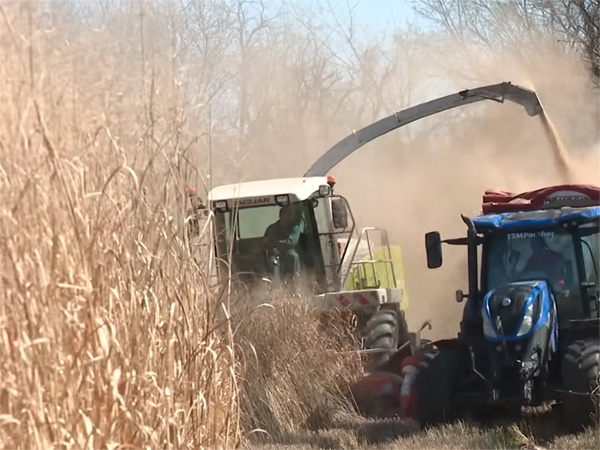
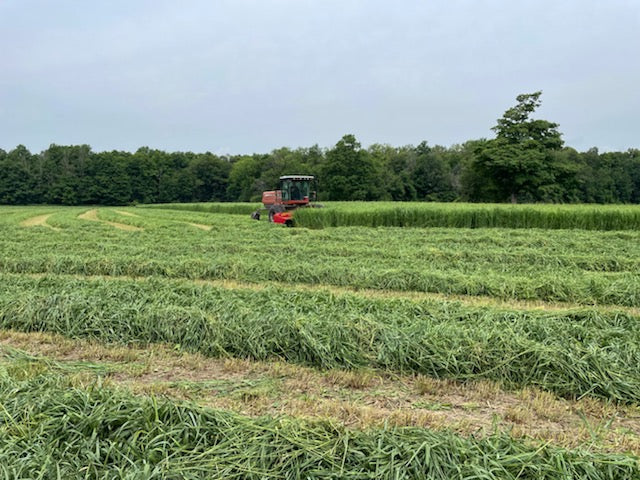
First, mowing ofa cutting green hay in June. In a second time, it leaves repel the material of which will be harvested between February and April of thefollowing year (from the third year).
The tonnage overall is distributed over the two periods. This method is a complement ofan amendment, calculated based on the production envisaged.
S3 .A solution Covered Faunistic
All of our varieties produce a very good cover, visited by all animals ranging from 1m to 2,50 m-height,. However, to keep your cover well trained, choose varieties adequate, as Shelter or RC BigRock if you do not mixture.
In a mixture of variety, you maximize your chances of successful seedlings.
The switchgrass with a litter box alternative

Back ofa year of testing with the FDCUMA and the Rooms Ofagriculture Corrèze and Dordogne
Switchgrass : equivalent to the straw, even better !
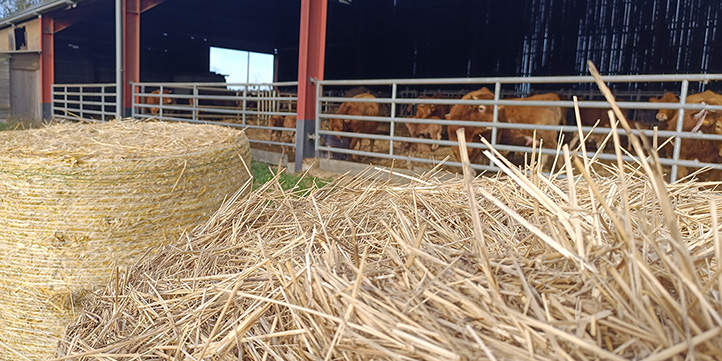
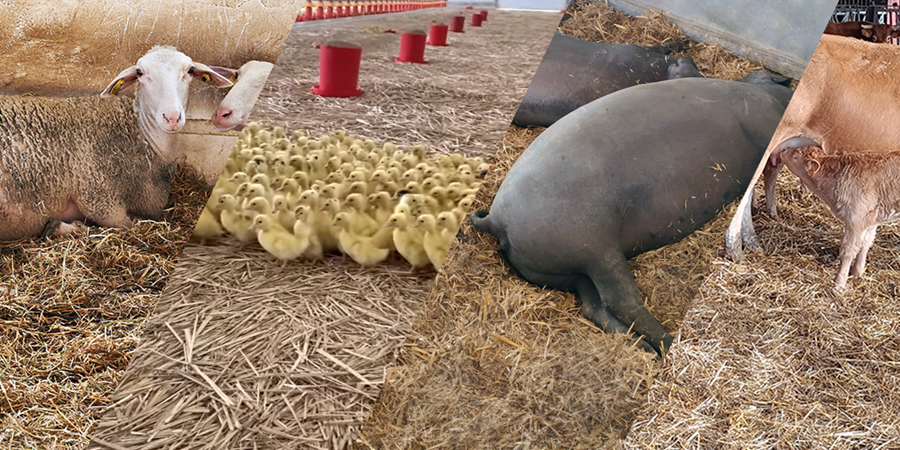
A 2nd stage with the group was to determine the absorbency of the switchgrass. For this, a farmer (Stéphane Gorce, to Summer) is provided in the form of boots. Round to the strands long, and silage for short strands. Several small tests have been carried out. The box with cows engraissements have been mulched in strands long. The ducks have tested the short strands. Calves under the mother had two; strands long and short strands.
The results are the following :
• The box with Cow fattening : The box is mulched with straw of cereal ofone side. Of theother, with the switchgrass strands long in the same quantity. No significant difference was observed between the 2 modalities. The switchgrass showed an absorption capacity similar to the straw.
• 
Waterfowls (Ducks ready to force-feed) :
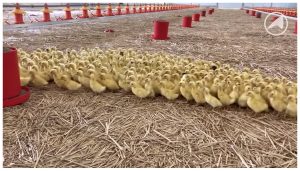
a part of the building was hutches with cereal straw. Theother part of the switchgrass silage (short strands). The switchgrass was more interesting than the straw. There has been a quality of the absorption better and longer in time.
• Calves under the mother :
Analyses of iron had been conducted to determine if the switchgrass contained. The results show that the iron content contained in the sample of switchgrass is very small. Regarding the quality of the absorption, no significant difference was observed. Cereal straw and switchgrass strands feature is very similar. The box were the priests at the end of 40 days. The calves have ingested as much as straw, and the results are in color on the slaughter of calves are good (0 and 1). With the switchgrass short strands, the breeder had to clean the litter box at the end of 30 days, since the calves were beginning to be dirty.
Videos to watch on the litter alternative switchgrass
The switchgrass mulch horticultural alternative
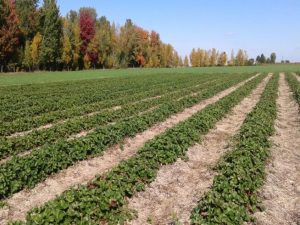
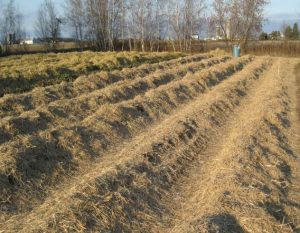
Example of theuse of switchgrass as a mulch in horticulture and crop vegetable crops
Harvested by theharvester
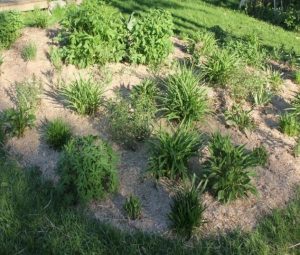
- the switchgrass becomes a mulching end and easy to put in place around trees or in flower beds and ornamental. Cis a mulch that sused as the mulch of miscanthus.
Collected in a bundle round
- the switchgrass is unrolled and put in place as mulch for garden before the winter season to protect crops sensitive to frost.
When seeding switchgrass ?
The switchgrass is to be sown between may 1 and July 15.
It’s imperative that a soil has warmed up. Between 12°c and 14°c is to be preferred to promote the germination of switchgrass.
Theyear of sowing, it is imperative not to have frost on the first leaves.
The window for planting is wide and to adapt according to the conditions of soil and weather from its region. From late may to late August is ideal.
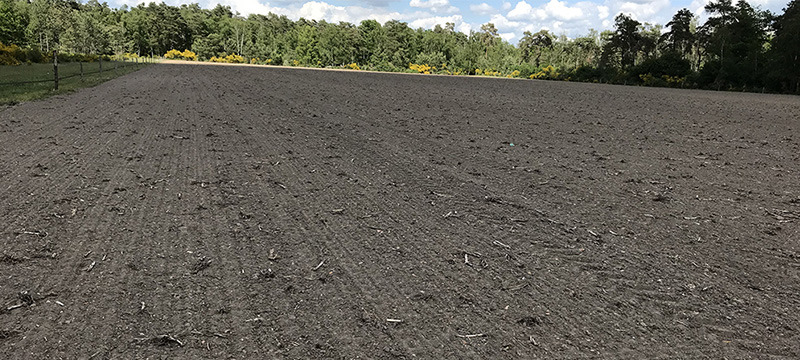
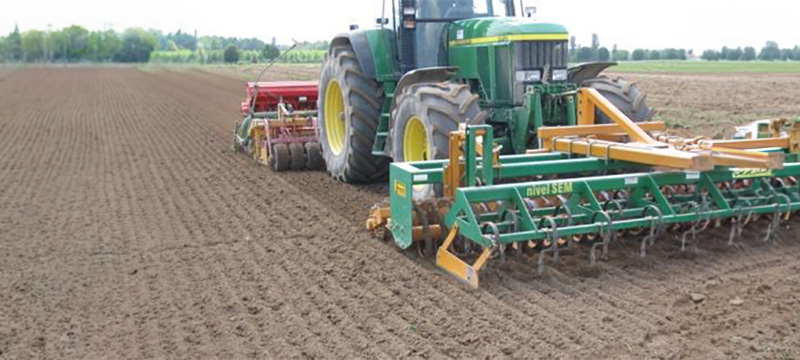
The earth should be well refined and well rappuyée before planting.
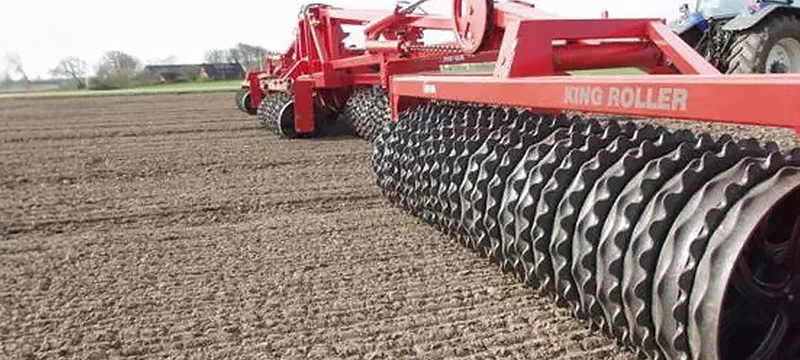
As soon as planted, a passage of roller heavy is MANDATORY in all types of soil.
Seeding
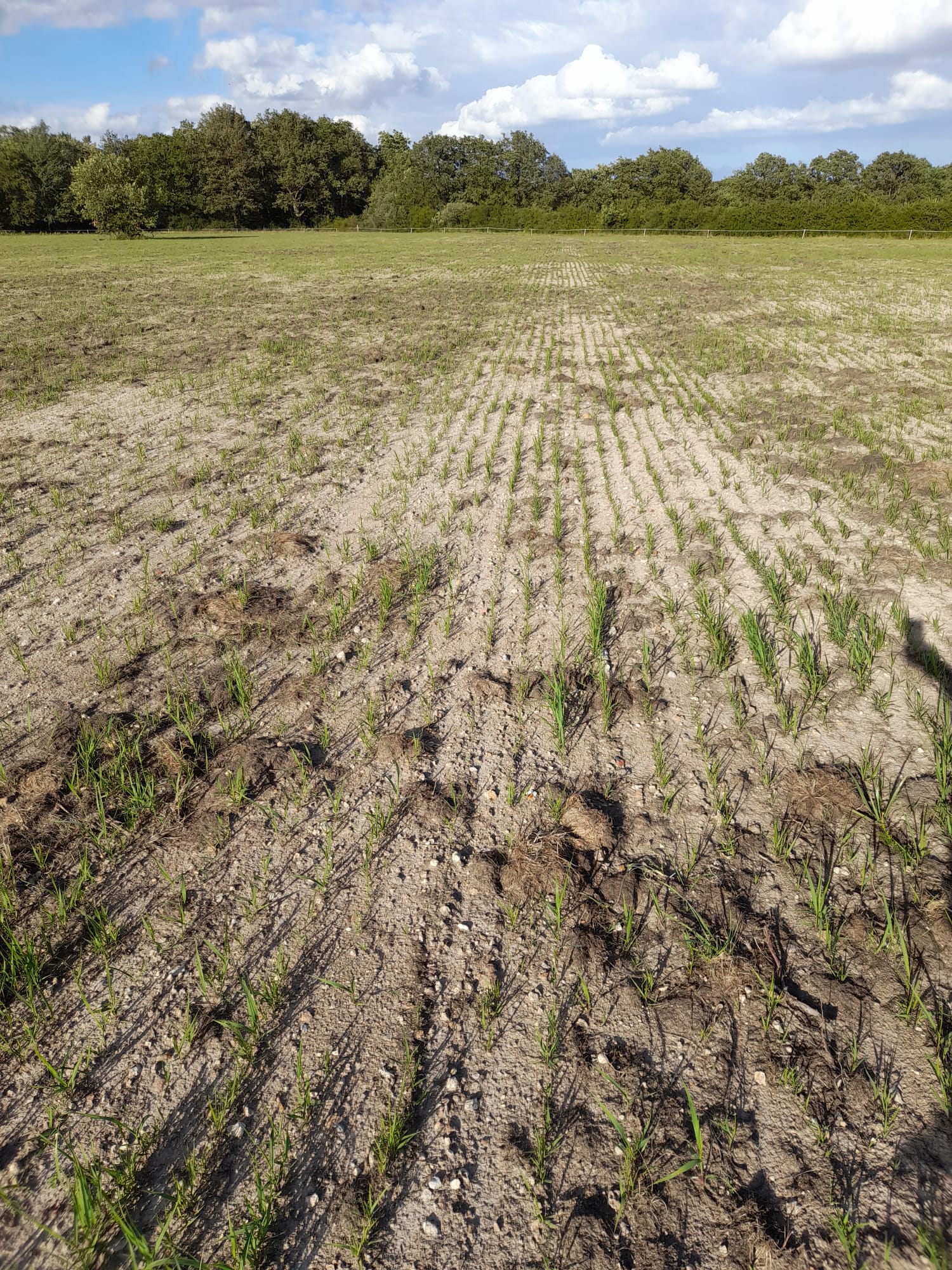
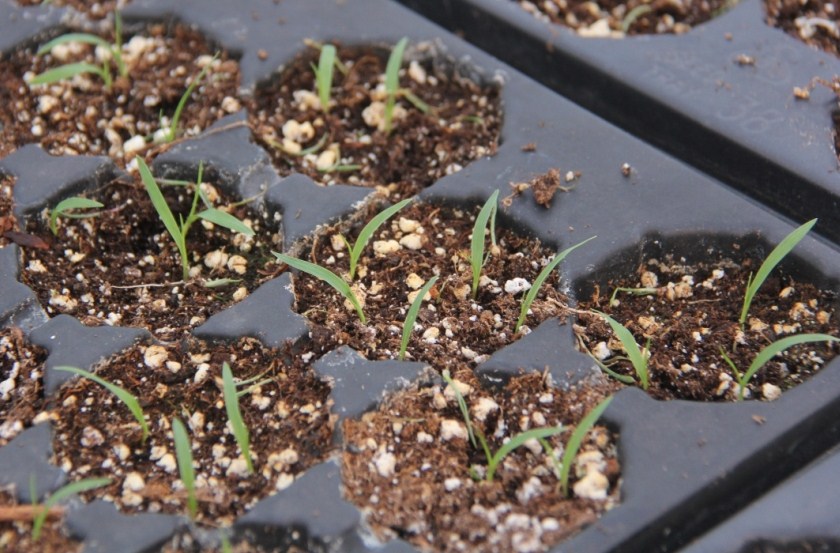
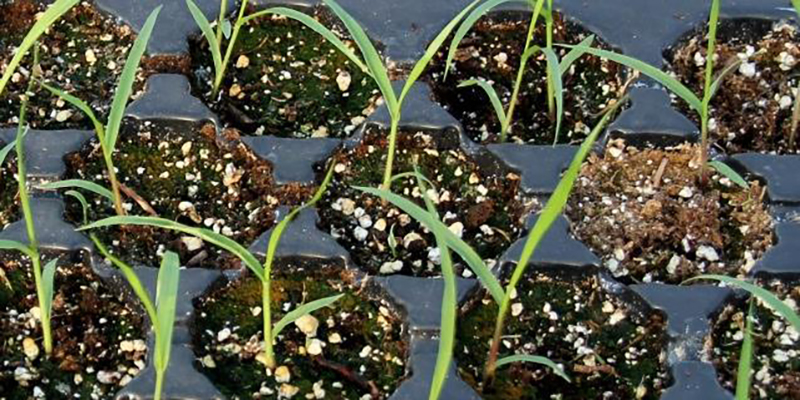
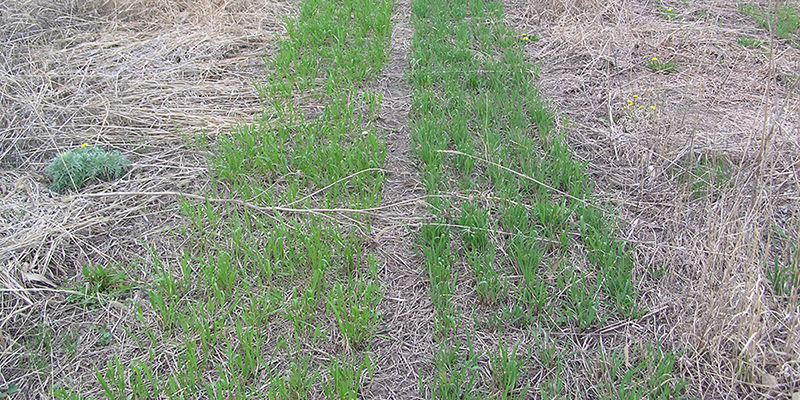
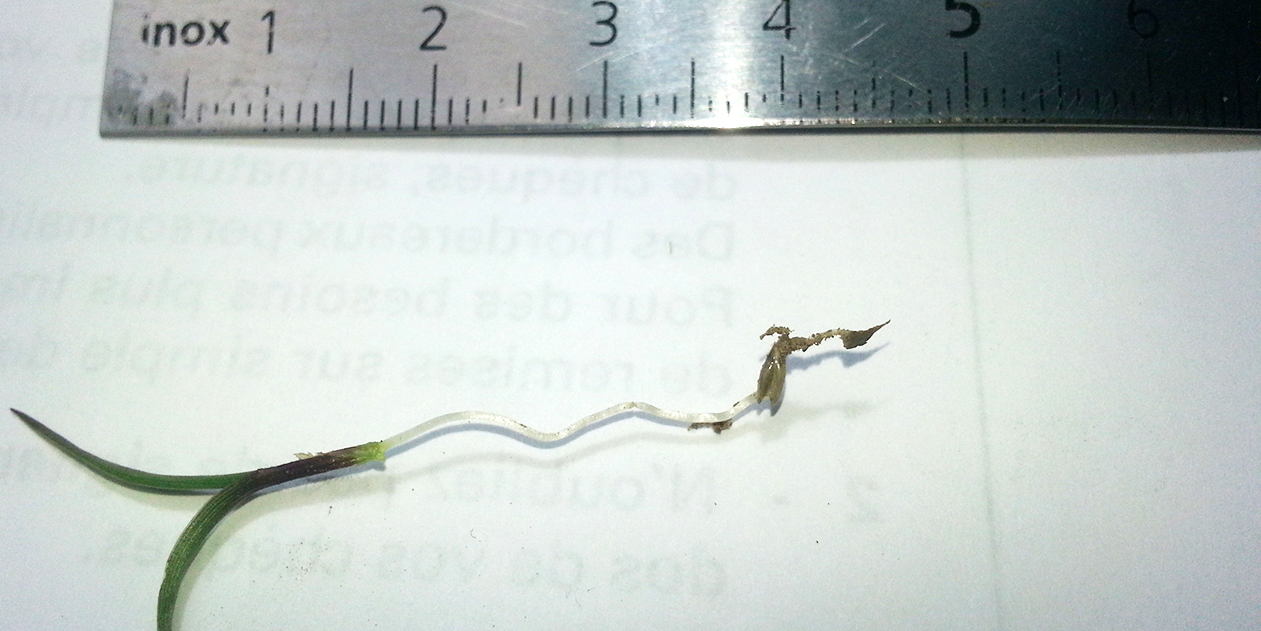
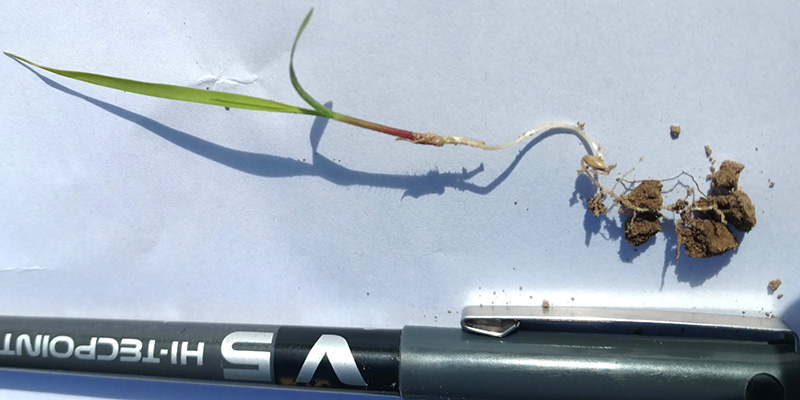
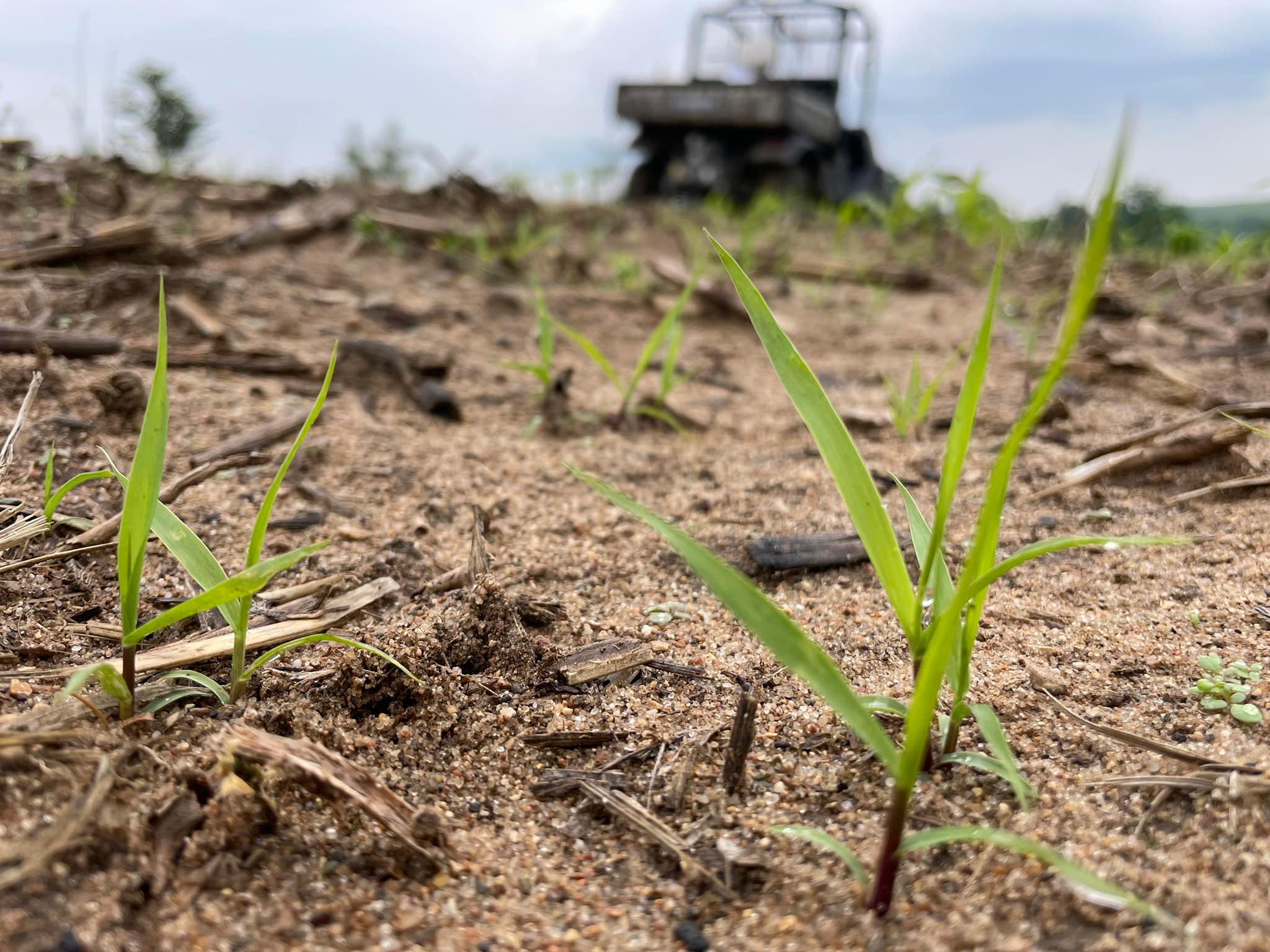
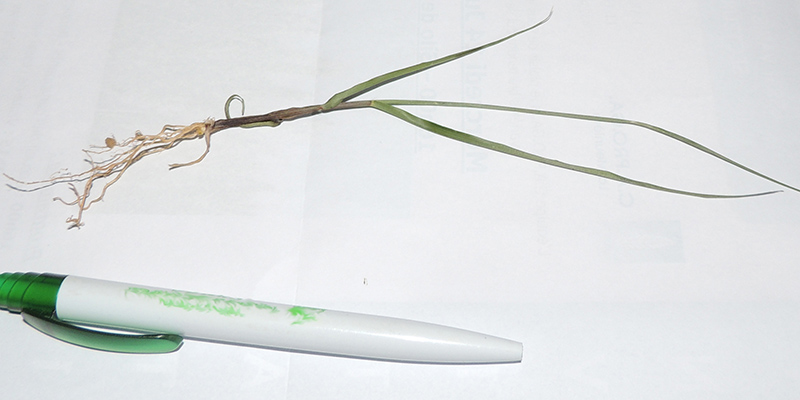
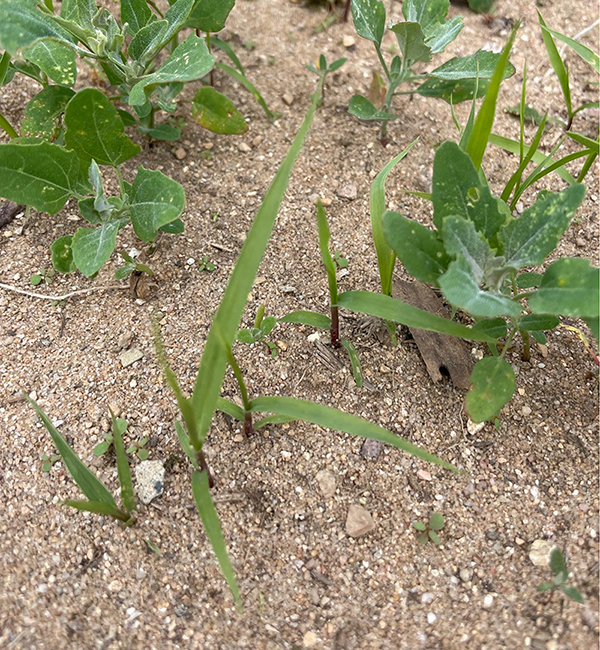
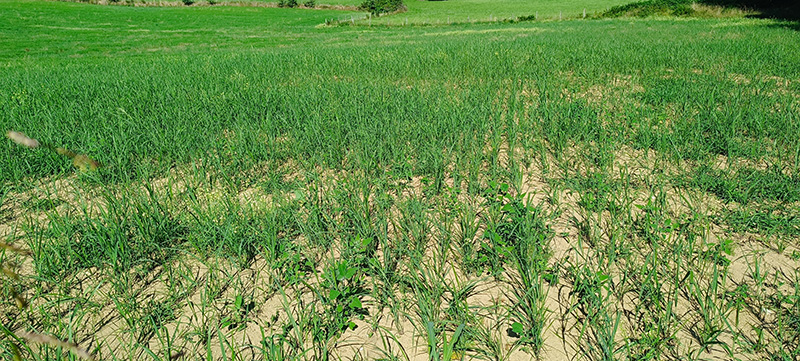
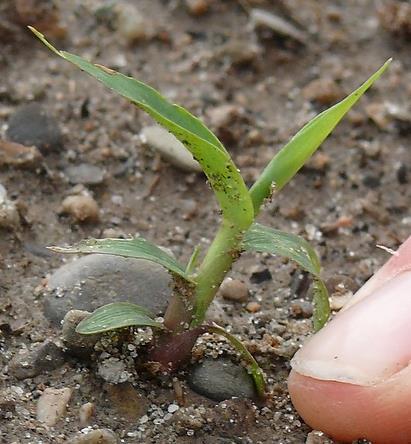
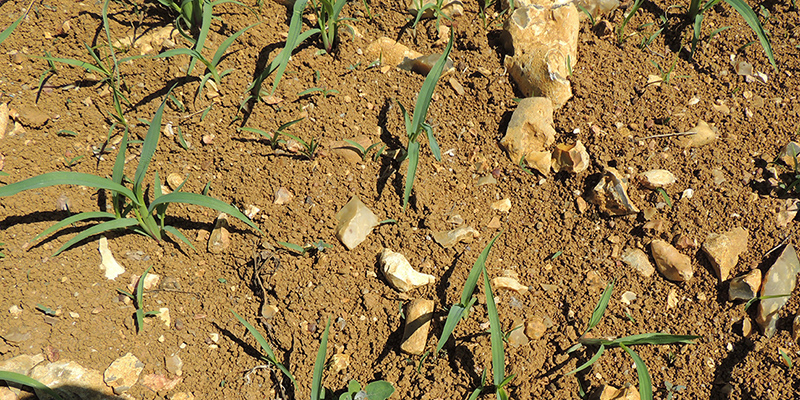
Emergence of Switchgrass in pictures
The period of the seedlings in the open fields
She sspans from mid-may to end of August. The good quality of preparation and the structure of the soil is important.
It is strongly recommended toperform a number of false-planting (2 minimum) before the introduction of this culture. This allows you to limit weed competition during the lifting of the switchgrass. Chemical weeding of grass are not approved for use on this crop.
Our recommendations are geared toward security, because the seed is expensive. Do not rush to put the planter in the field. Wait a temperature in soil from 14°C to 15°C.
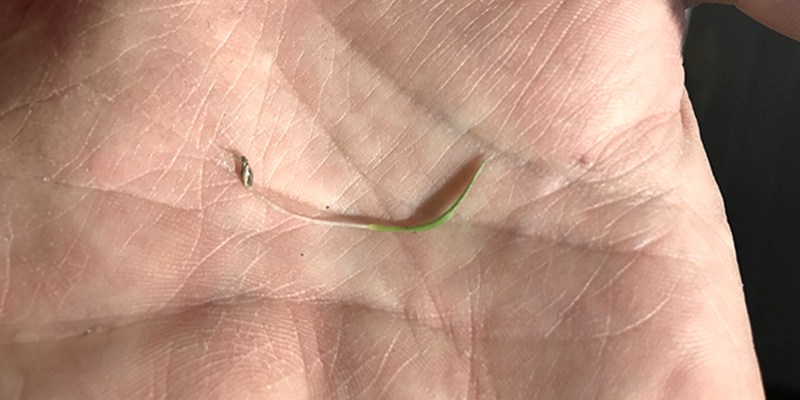
The seeds of switchgrass are photosensitive.
The broadcast seeding is not recommended. If the seed rest on the surface of the ground, exposed to the light, she will germinate not.
The sowing depth should not, however, exceed the 1.5 cm deep in loamy soil.
As the seed is very fine, the soil must be well rappuyé before and after sowing, so that the contact seed-soil is perfect.
Prefer one-off between 10 and 12 kg/ha with planter traditional to ensure a good exercise and maximize your chances of success. With very good preparation of seedbed and mild weather, it is possible to reduce the dose of sowing.
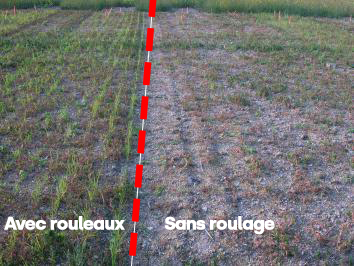
Theexperience shows that even with the press wheels ofa seeder direct sowing is not enough. It is strongly advised to roll it with a roller, heavy type cambridge.
It is necessary to firmly press down to ensure good contact seed-soil and let the seed switchgrass dbe in the best conditions of sprouts. Nfeel free to roll vigorously with this type of roll heavy crenate or equivalent. (Roll cambridge)
Weeding
The levers agronomic
The false-seeding
It represent THE best way of reducing the stock seed of all the weeds (weeds) before the arrival of spring crops, because this technique promotes the sprouts. The principle work the ground superficially about 3 to 5 cm with a harrow mild, curry or rotary and spend is essential to have a roller to deliver the bad seed in the good state of germination. Repeat these actions 2 or 3 times.
A lawn dethatching
It is recommended, either alone or preceded by a chemical weed control in case of re-growth ofannual or perennial.
The plowing
It is to theinterest in the recovery ofa meadow orfallow for a long time. This allowsburying weeds to tillage depth and dhave less re-growth of grass the first 2 years of theinstallation of the switchgrass. Does not work then only superficially not to bring back the bad seed on the top.
The hoeing
Complicated to implement, the switchgrass nascent is too thin to resist the practice.
Theinterculture summer
After the harvest of winter crops, it is an excellent time to intervene against the ambrosia. It can develop on the culms, issued its pollen allergenic and increase the potential of infestation of the plots. Monitoring and vigilance are needed to intervene before its flowering.
Me contact us for more detail on the specific case of plot or ofweeds competing.
Harvest
The conditions of crops classical
performance potential : 5 to 15 tMS/ha
2 harvesting techniques :
in The spring (biomass energies, straw or litter) December to early April
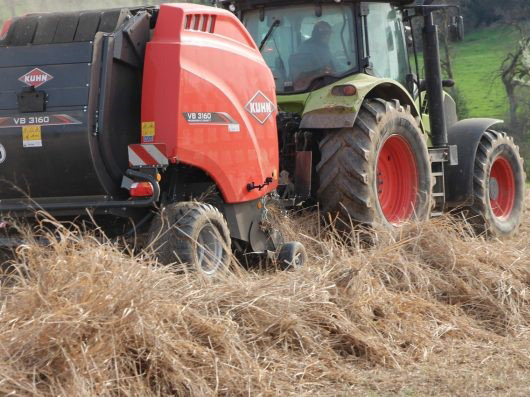
- Mowing & pressing : with the tools of theoperating, easy to store.
- Silage : very low density (120 – 150 kg/m3) needa big storage space in bulk.
To store the material and keep it healthy, it is recommended dto have a rate ofhumidity lower than 15%,. beyond this rate, thehumidity, the stock can heat leading to a degradation of the quality (development of mycotoxin)..
the Beginning ofsummer (feed, anaerobic digestion)
- Hay, press dry, compatible with all herbivores.
- Green, silage ofgrass, in wrapped or pasture, only to cattle. Saponin is a toxin that is harmful to the horses, the sheep and the goats, the same title that couldbe the sorghum.
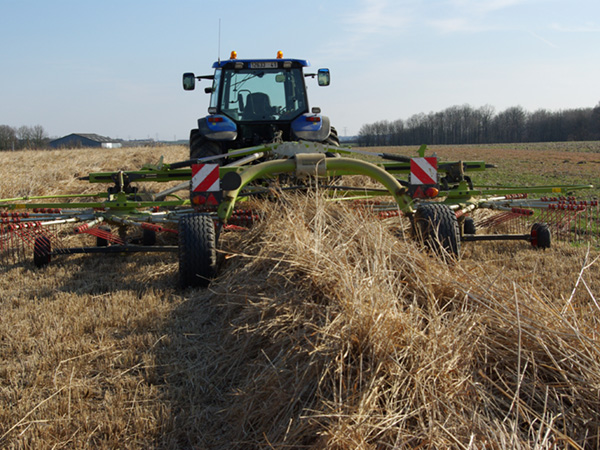
Traditional method of harvesting ofhay.


Destruction and repair culture

destruction occurs from June to August,
The first step is to collect, harvest, or grind the biomass air to the mid-June. The goal is todeplete the reserves of the rhizome, which are at their lowest level in mid-June. as Soon as you reboot rhizomes, it is recommended that d’operate mechanically using a rotavator that can destroy the regrowth and split the rhizome,. The switchgrass is more sensitive than the miscanthus to the destruction of the mechanical and little re-growth are expected to begin after this passage.
Confirmation
In the case of new regrowth (end of July/August), we continue the destruction mechanics. 1 to 2 passages of chisel will be needed in order to reassemble the fragments of rhizomes to the soil surface. Little re-growth is observed in the fall. A grain crop may then sconsider after a slight leveling with thehelp of discs and using a seeder direct.
The use of a weedkiller total type glyphosate, in place of the pass of rotavator, gave equivalent results.
Packaging
The seeds are packaged in a dose of 12kg
Biomass : 1 Dose -> 1 Ha For a production target for biomass or forage, a dose that allows you toseed a plot of 1 hectare.
Covered in game : 1 Dose -> 1.5 Ha To cover game, from the edge to the open field, a dose that allows you toseed a plot of 1.5 hectares.


Information Resources
Declaration CAP
CAP 2023 and codes cultures : details for some perennial crops and fallows
codes cultures mobilized for the next campaign CAP are modified.
Fewer (it will, however, require clarification purposes according to the labels of cultures), they take into account changes in the programming CAP 2023, and in particular the appearance of écorégimes (see the fact sheet by clicking here).
Thus, in the new list of codes cultures, it is specified the category of agricultural area (arable land (TA), permanent pasture (PP) or perennial crop (CP)) of the field is declared, as well as the category of finite surface area for the écorégime.
In fact, for many cultures, these categories may be different either because :
• the conduct of the CP is similar to those of annual crops and enroll in polyculture systems with an annual rotation, and/or because some of these cultures are also ridged ;
• the weeding, inter-row is difficult, due to the type of soil ;
• culture covers the entire surface and the notion of inter-row has no meaning ;
• these cultures, which are not trees, shrubs, shrubs, are involved in the diversification (mainly plants, perfume, aromatic and medicinal (PPAM)).
The crops considered as CP from the point of view of the category of agricultural land, but as a TA for the écorégime are :
(the numbers in parentheses correspond to the details to make the codes cultures)
• hops (HBL) ;
• other vegetables or fruit, perennial (FLP) : asparagus (001), rhubarb (002), other fruit, perennial (003) and other vegetables, perennial (004) ;
• aromatic herbs perennial non-tree or shrub, other than the vanilla (ARP) : tarragon (001), oregano and marjoram (002), rosemary (003), mountain savory (004), thyme (005) and other aromatic plants perennial non-tree or shrub > 5 years ago (006).
• the perfume plants perennial, other than lavender and lavandin (PRF) : geranium (001), everlasting (002), vetiver (003), violet (004), ylang-ylang (005) and other plants to scent lasting for 5 years and more (006).
• the lavender and lavandin (LAV) : lavender (001) and lavandin (002).
• the medicinal plants perennial, other than trees (SMES) : gentian (001), hyssop (002), lemon balm (003), clary sage and officinale (004), verbena (005), other medicinal plants perennial of 5 years and more (006) and blackcurrant bud (007).
• the perennial crops with high biomass (MSW) : miscanthus (001), switchgrass (002), cane forage (003), silphie perfoliée (004) and other crops with high biomass out of bamboo (005).
• nurseries – plants left in the ground less than a year (ENP).
The other notable change for the codes crops fallow.
The codes fallows are simplified from 2023 onwards : the former code J5M (fallow for 5 years or
less), J6S (fallow for 6 years or more declared as SIE) and J6P (fallow for 6 years or more) are deleted.
Surfaces previously reported with codes J6P will need to be reported with a code from the topic of permanent grassland.
Surfaces previously declared with the code J5M will need to be reported with the new code ” JAC “.
Surfaces previously declared with the code J6S in 2022 will not be declared with the new code ” JAC “as if they are reported to the eco-system (see” biodiversity and agricultural landscapes “) or the BCAE8 (surfaces biodiversity-friendly – details by clicking here).
In the contrary case, they must be declared in PP.
Fallow land (arable land) does not have more than one code : “JAC “, in which it will be necessary to make a clarification :
• grass cover – (001) ;
• fallow for melliferous – national list of species for the BCAE8 and the écorégime – (002) ;
other fallow floral/honey bee/bee (within specifications) – (003) ;
• fallow wildlife – species mix or herb or honey (within specifications) – (004) ;
• ratoon crop foam (005).
How should be declared a planting of switchgrass and this covered is it possible fallow ?
If the grass cover is in place for five years or less, it is necessary touse the code culture “other clams temporary of 5 years or less” (PTR).
If the grass cover is in place for the past five years past or more, it is appropriate touse the code culture ” prairie in the rotation long (PRL) “.
This cover can be declared in BOR, BTA, or BFS.
In case pure, a surface in switchgrass may not be declared fallow, because this cover is not party cutlery allowed to fallow.
On the other hand, associated to dother grasses eligible, switchgrass can be part of the composition ofa mixture of fallow.
Each department of the specifics, contact your DDT for you to make a statement in the rule.
Map of parcels in France
Use the map to see if plots of Switchgrass are already implanted in your region.
The Switchgrass Videos
Complete list
1:51
1:38
1:50
6:22
4:54
4:13
3:24
12:08
4:04
4:01
3:21
3:32
The switchgrass a culture full offuture : a Quick presentation of the switchgrass by Franck FOURNIER. Plot located in Indre-et-Loire (37) in 2006 in variety of biomass
The harvest of switchgrass and miscanthus as an alternative to the straw. Terrasson (24)
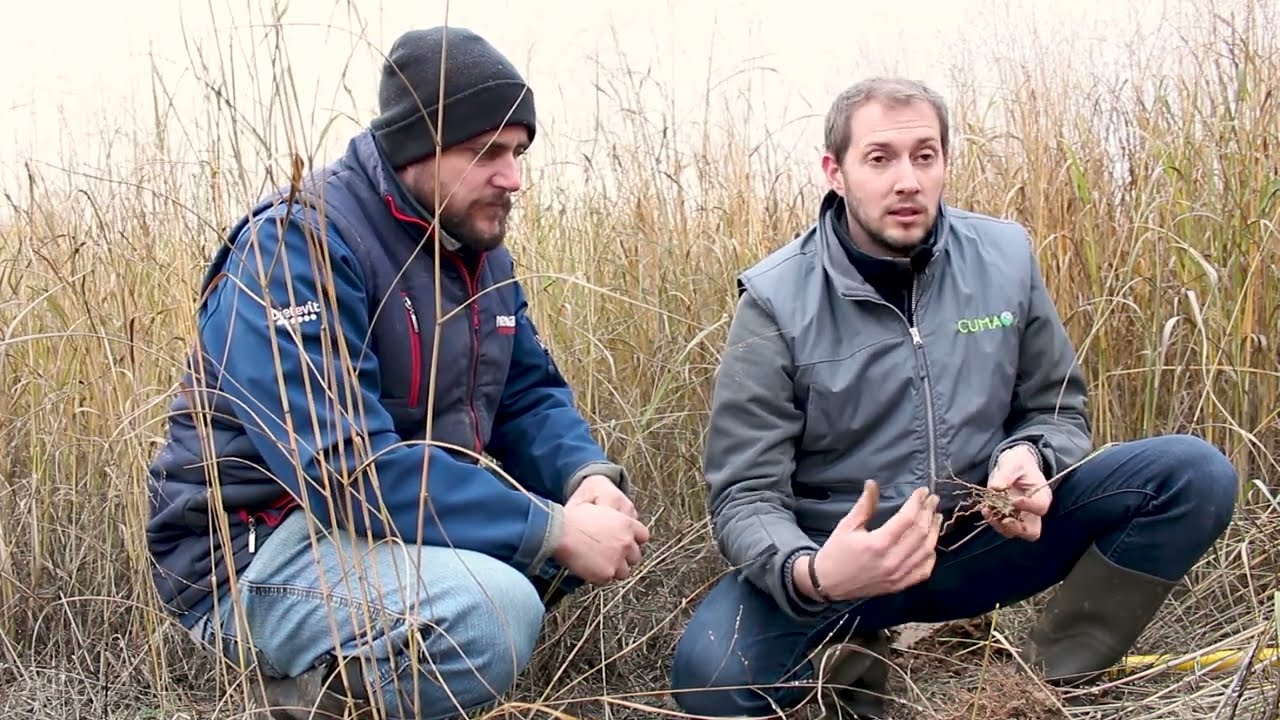
Chambre dagriculture de Corrèze and the FD Cuma 19 highlight the switchgrass in the bend ofa day ofinfo with the presence of the magazine Entraid. Images and information on harvest of switchgrass, which iscarried out on the same day as the straw is already very dry.
This day ofinformationis finished the fields in Frederick LASPOUSSASSE breeder of beef cattle and veal under the mother.
Return of the parcel of 2.8 ha 66 boots round of 230kg = 5.4 T/ha in year 2. Forecast of theyear for cruise, year 3, between 9 and 12T/ha
Video made Pascal BORDEAU for the magazine Entraid. Online the 04 April 2024
Videos of 5 capsules are to be qualified with the temperatures and qualities of soils, because they are made by the CEROM in Quebec, but the principle and the technique remains the same. For all precision contact Franck FOURNIER at 06 77 58 67 24.
The switchgrass as an alternative to the straw : witness ofa cattle producer #Corrèze. Testimony of technicians and users of switchgrass grown on their farm as an alternative to the straw .
Video made by the FDCUMA19 and Chambre dagriculture de la Corrèze. Online February 2023.
The switchgrass as an alternative to the straw : Zoom on theuse and testimony ofcattle farmers #Corrèze#Switchgrass#Autonomy. Testimony of technicians and users of switchgrass grown on their farm as an alternative to the straw.
Video made by the FDCUMA19 and Chambre dagriculture de la Corrèze. Online February 2023
Chambre dagriculture Dordogne Périgord. Interview ofa broiler breeder using switchgrass grown on the farm as an alternative to the straw in his buildings.
Video realized in the framework of the project ARPIDA-Straw alternatives to cereal straw.
This regional project has helped compile the experiences and testimonies offarmers on theuse of their litters, of paillages alternative such as switchgrass, miscanthus, woodchips, the Dolite…
on 12 dec. 2022
The switchgrass as an alternative to the straw : testimony ofa breeder of waterfowls #Dordogne (Chamber ofagriculture Dordogne Périgord). Interview da breeder of waterfowls using switchgrass, grown on the farm, as an alternative to the straw.
Video realized in the framework of the project ARPIDA-Straw alternatives to cereal straw. On 12 dec. 2022
This regional project has helped compile the experiences and testimonies offarmers on theuse of their litters, of paillages alternative such as switchgrass, miscanthus, woodchips, the Dolite…
All of our varieties of Switchgrass
-

Shelter (12kg) UAB
771,00 € excluding VAT Add to basket -
Sale!

Switchgrass Pack 3 doses Alternative UAB
2886,00 €Original price was: 2886,00 €.2828,27 €Current price is: 2828,27 €. excluding VAT Add to basket -
Sale!

Switchgrass Late/Wet Duo Pack (2 doses) UAB
1923,64 €Original price was: 1923,64 €.1885,52 €Current price is: 1885,52 €. excluding VAT Add to basket -
Sale!

Switchgrass PackDuo Early/Drying (2 doses) UAB
1923,64 €Original price was: 1923,64 €.1885,52 €Current price is: 1885,52 €. excluding VAT Add to basket -

RC Sundance – early (12kg) UAB
962,00 € excluding VAT Add to basket